Source Hebrew Letters Vertical Tzedakah Box for Charity, Church, and Decoration
Compare 30 listings for hebrew letters vertical tzedakah box options featuring acrylic and glass materials with customizable sizes. Buyers can evaluate MOQs, weights, and surface treatments for charity, church, and decoration applications.
Key considerations
Products List
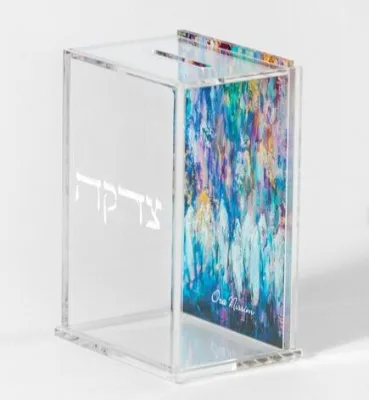
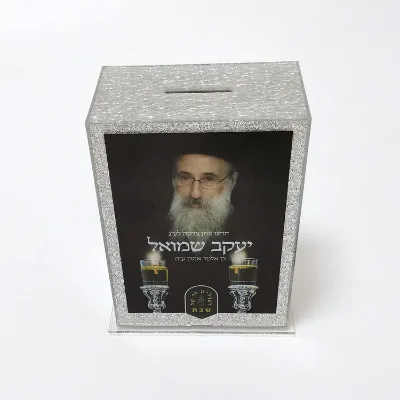
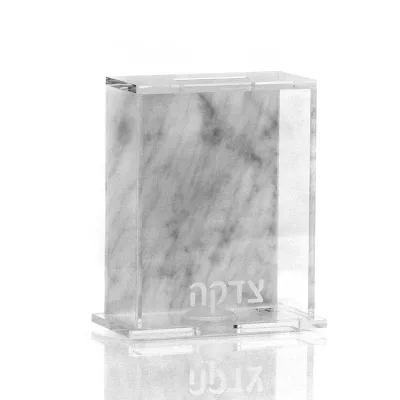
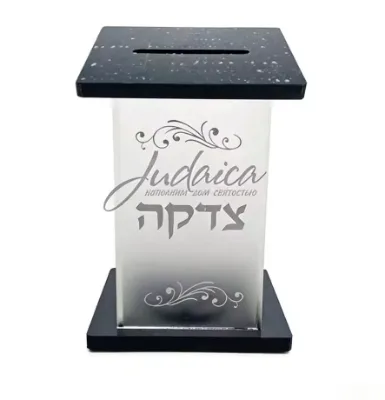
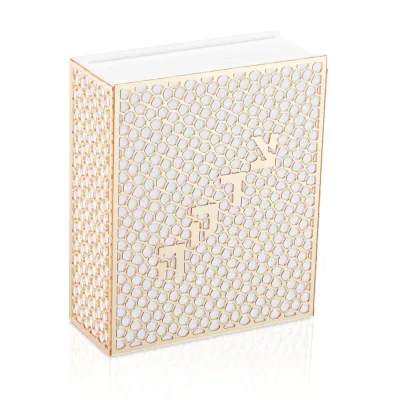
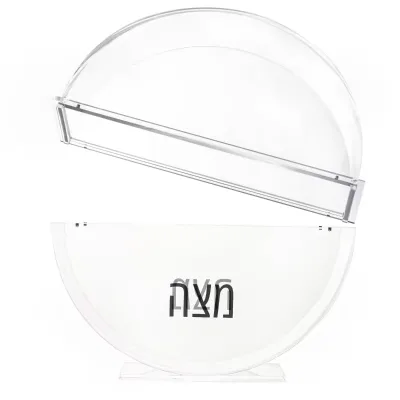
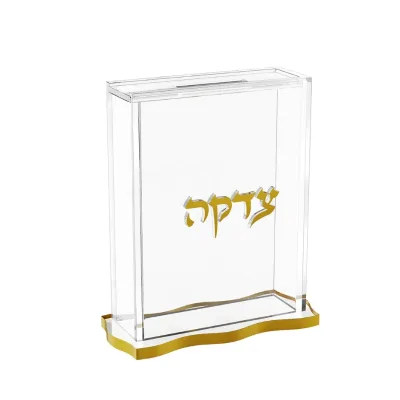
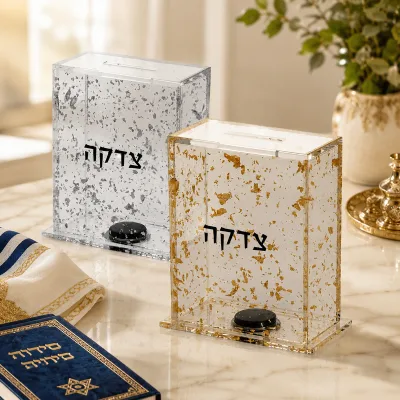
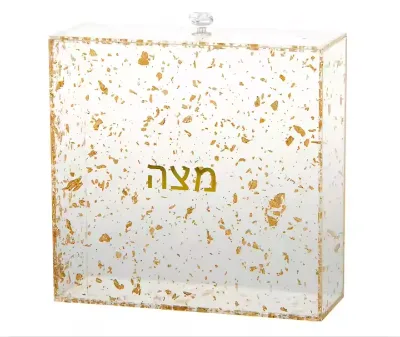
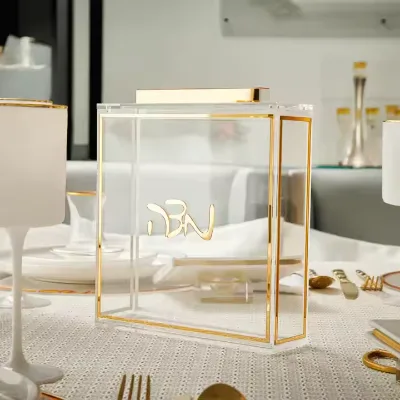
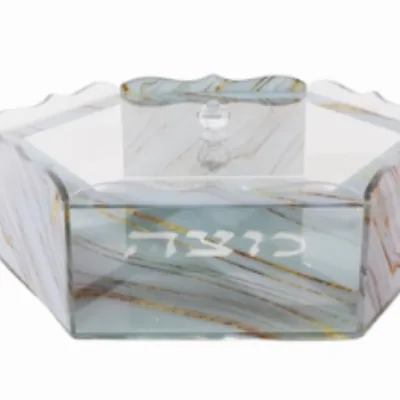
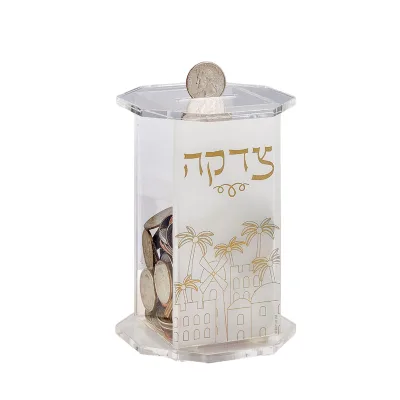

Comprehensive Sourcing Guide
Strategic Sourcing Guide for Hebrew Letters Vertical Tzedakah Boxes
Understanding Product Specifications and Material Integrity
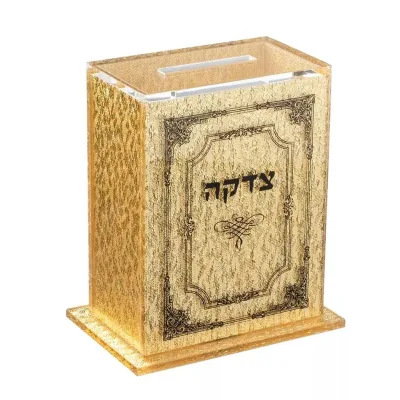
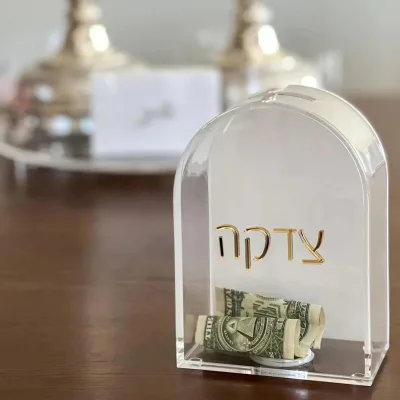
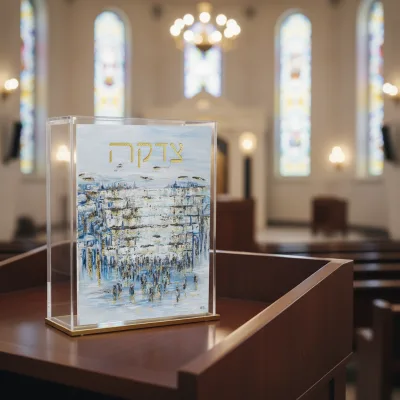
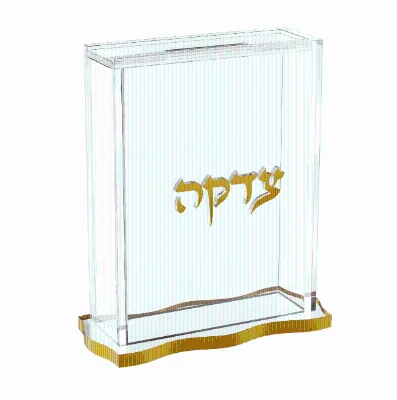
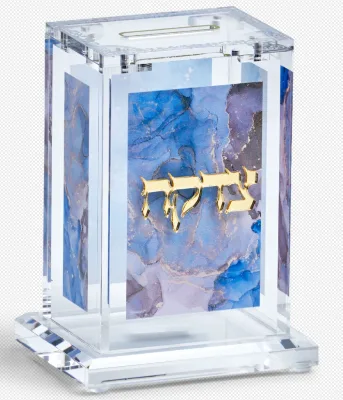
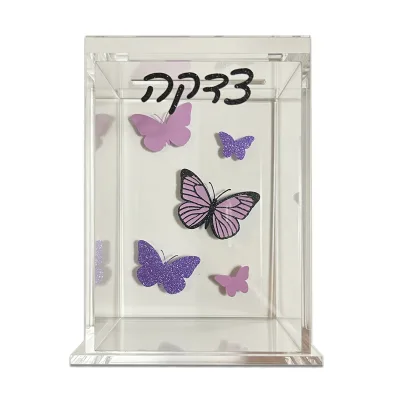
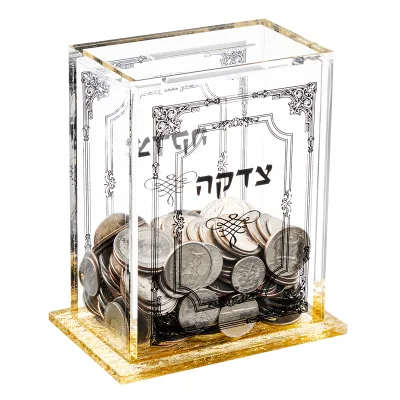
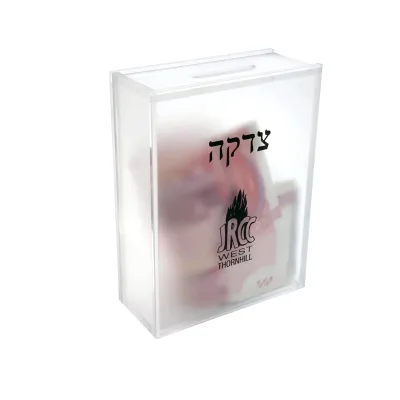
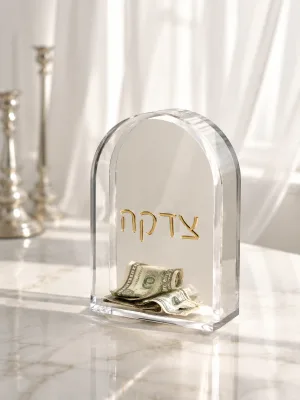
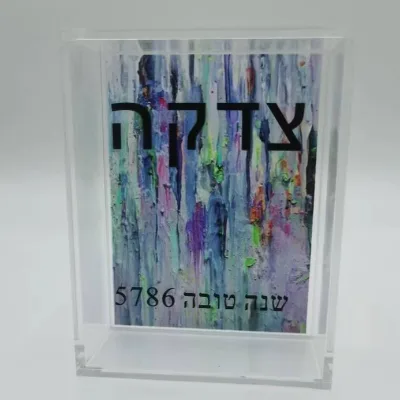
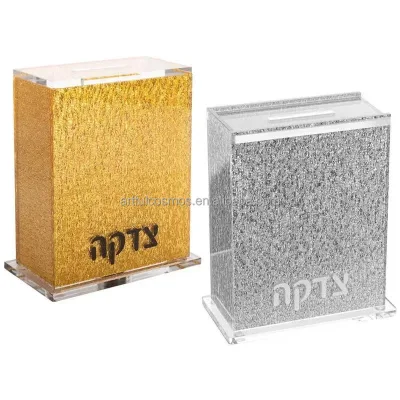
When sourcing a vertical Tzedakah box featuring Hebrew letters, buyers must first establish a clear understanding of the technical specifications that define the product's physical and functional characteristics. The core of this product category involves a container designed for charitable giving, often distinguished by its vertical orientation and specific cultural markings. Based on current market observations, the primary material utilized for these items is acrylic, a choice that offers clarity and durability. The product is frequently described as a "Clear Acrylic Jewish Tzedakah Box" or a "Lucite Tzedakah Box," indicating that the visual transparency is a key aesthetic requirement. The material properties suggest a casting process, specifically plastic molding via casting, which allows for the creation of complex shapes and the integration of Hebrew lettering directly into the form or as a surface application.
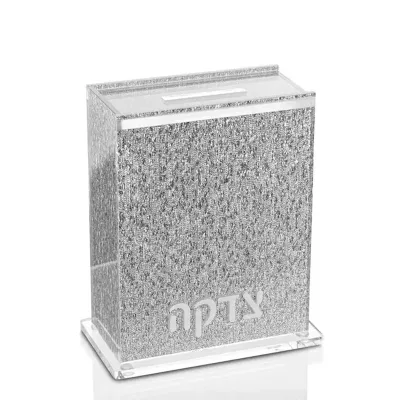
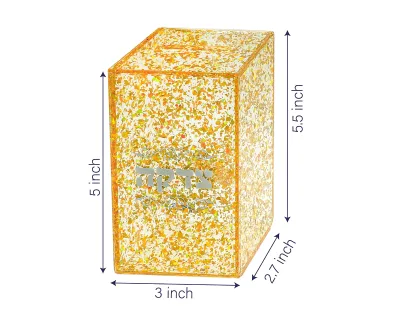
The physical dimensions of these units vary significantly, reflecting the "Customized" nature of the product line. Observed specifications include a single package size of 50x50x30 cm for larger units, while smaller variants may measure 30x10x30 cm or 20x30x20 cm. The thickness of the acrylic material is a critical specification, often noted as 4mm or fully customizable to meet structural needs. The orientation is strictly vertical, and the shape is typically customized to fit specific design briefs, though standard models exist with dimensions such as 4.5"L x 2.5"W x 6"H. The product is designed for easy assembly, suggesting that the final unit may arrive in components that require minimal on-site construction. The surface treatment is a vital differentiator; options include electroplating for a metallic finish or polishing to maintain the inherent clarity of the acrylic. The color palette ranges from clear to silver, with multi-color and custom color options available to align with specific branding or religious aesthetic requirements.
Design Customization and Cultural Accuracy
The integration of Hebrew letters into a vertical Tzedakah box is not merely a decorative element but a functional and cultural necessity. Buyers must verify that the customization process supports the precise rendering of Hebrew script. The product attributes indicate that the shape and size are "Customer Customized," which implies that the supplier must have the capability to adapt the mold or the surface treatment to accommodate specific lettering requirements. The "Plastic Modling Type" is listed as casting, a process that can be highly effective for embedding text or creating raised lettering, provided the mold is precision-engineered.
When evaluating the design, the "Style" is generally described as modern, which often translates to clean lines and minimalist aesthetics that allow the Hebrew lettering to stand out. The "Feature" list frequently includes "Eco-friendly" and "Durable," suggesting that the material choice and manufacturing process are intended to produce a long-lasting item that aligns with sustainable values. However, buyers should be aware that while "Eco-friendly" is a listed attribute, the specific environmental certifications or the recyclability of the acrylic used must be verified directly with the supplier. The "Surface Treatment" of polishing is essential for ensuring that the acrylic remains clear and that the Hebrew letters are legible without distortion. If an electroplated finish is requested to achieve a silver or metallic look, the adhesion of the plating to the acrylic must be tested to prevent peeling, especially if the box is intended for outdoor use, as "Recommended use" sometimes includes outdoor environments.
Compliance, Certification, and Safety Verification
In the B2B procurement of religious and cultural items, compliance and safety are paramount, even when the product is primarily decorative. While the supplied data does not list specific certification numbers, buyers must rigorously verify that the acrylic material and any surface treatments comply with relevant safety standards for the intended market. For products intended for use in public spaces, churches, or outdoor settings, the material must be non-toxic and resistant to UV degradation if exposed to sunlight. The "Recommended use" field mentions both "Decoration" and "Outdoor," which presents a potential conflict if the acrylic is not UV-stabilized. Buyers should request documentation confirming the material's resistance to yellowing and brittleness over time.
Furthermore, the "Surface Treatment" processes, such as electroplating, involve chemical applications that must adhere to environmental and safety regulations in both the country of origin (Guangdong, China) and the destination market. Buyers should inquire about the specific standards used for the plating process to ensure it does not contain hazardous heavy metals. Although the product is described as "Eco-friendly," this claim requires substantiation through third-party testing or specific material certifications. The "Brand Name" varies, with some listings showing "Acrylchina" and others "Acrylic," which indicates a need for careful brand verification to ensure the supplier is the actual manufacturer and not a reseller. The "Place of Origin" is consistently listed as Guangdong, China, a major manufacturing hub, but buyers should confirm the specific factory location to assess logistics and potential supply chain risks.
Cost Drivers and Minimum Order Quantities
The pricing structure for vertical Tzedakah boxes with Hebrew letters is influenced by several factors, including material thickness, customization level, and surface treatment. The observed price range in the market is between 3 and 16.32 USD, but this variance is likely driven by the specific configuration of the order. The "MOQ" (Minimum Order Quantity) is a significant cost driver, with observed ranges from 50 to 200 pieces. Some listings specify an MOQ of 200 pieces, while others indicate 100 pieces. This variation suggests that the cost per unit decreases as the order volume increases, a standard economic principle in manufacturing.
The "Single gross weight" of the product also impacts shipping costs, with observed weights ranging from 0.500 kg to 5.000 kg depending on the size and packaging. The "Single package size" varies from 20x30x20 cm to 50x50x30 cm, which directly affects the number of units that can be shipped per container. Buyers must calculate the total landed cost, including freight, to determine the true cost per unit. The "Sample" lead time is noted as 3-5 days, which is relatively short, but the full production lead time is not explicitly stated in the provided data. Buyers should clarify the production timeline for custom orders, as the "Processing Service" includes cutting and molding, which can extend the timeline compared to standard stock items. The "Selling Units" are listed as "Single item," but for B2B procurement, bulk pricing and packaging configurations are essential for negotiation.
Supplier Evaluation and Manufacturing Capabilities
Evaluating a supplier for a specialized product like a vertical Tzedakah box requires a deep dive into their manufacturing capabilities and quality control systems. The "Brand Name" inconsistencies, such as "custom brand" versus "Acrylchina," suggest that many suppliers operate as OEM (Original Equipment Manufacturer) or ODM (Original Design Manufacturer) partners. Buyers should verify the supplier's ability to handle the "Plastic Modling Type" of casting and their proficiency with "Surface Treatment" processes like polishing and electroplating. The "Processing Service" of cutting indicates that the supplier has the machinery to customize dimensions, which is crucial for the "Size: Customer Customized" requirement.
When assessing suppliers, buyers should look for evidence of their experience with religious or cultural products. The "Product Applications" field mentions "church," indicating that the supplier has experience with institutional clients. The "Recommended use" of "Charity Box" and "Decoration" further defines the product's market. Buyers should request references or case studies from previous clients in the religious or charitable sectors. The "Assembly" attribute of "Easy Assembly" is a key selling point, but the supplier must provide clear instructions and ensure that the components fit together precisely. The "Model Number" variations, such as W786453597, XFL-128, and SW-009, indicate a diverse product line, and buyers should ensure that the specific model they select matches their design requirements.
Quality Control and Long-Term Procurement Strategy
Quality control for acrylic Tzedakah boxes focuses on optical clarity, structural integrity, and the precision of the Hebrew lettering. Buyers should implement a rigorous inspection protocol that includes checking for scratches, bubbles, or imperfections in the acrylic material. The "Thickness" of 4mm or customized must be verified using calipers to ensure it meets the specified tolerance. The "Surface Treatment" should be inspected for uniformity, especially in electroplated finishes, to ensure there are no spots or peeling. The "Feature" of "Durable" must be validated through stress testing, particularly if the box is intended for outdoor use.
For long-term procurement, buyers should establish a relationship with a supplier that offers consistent quality and reliable lead times. The "Sample" lead time of 3-5 days is a positive indicator of responsiveness, but the full production cycle needs to be defined. Buyers should negotiate terms that allow for flexibility in order quantities, as the "MOQ" can vary between 100 and 200 pieces. The "Color" options, including "Custom Color" and "Multi-color," offer opportunities for branding, but the supplier must demonstrate the ability to match color standards accurately. The "Orientation" and "Shape" customization should be documented in a detailed technical drawing to avoid misunderstandings. By focusing on these quality and strategic factors, buyers can ensure a successful procurement process for vertical Tzedakah boxes with Hebrew letters.
Comparative Analysis of Product Attributes
To facilitate decision-making, the following table summarizes the key attributes observed in the market for vertical Tzedakah boxes, highlighting the variations that buyers must consider during sourcing.
| Attribute | Observed Value / Range | Procurement Consideration |
|---|---|---|
| Material | Acrylic | Verify UV stability and thickness (4mm+). |
| Orientation | Vertical | Confirm structural stability for vertical display. |
| Surface Treatment | Polished, Electroplated | Check for adhesion and finish uniformity. |
| MOQ | 100 - 200 pcs | Negotiate based on volume and budget. |
| Size | Customized (e.g., 4.5"L x 2.5"W x 6"H) | Provide precise dimensions for mold creation. |
| Color | Clear, Silver, Multi-color, Custom | Request color swatches for approval. |
| Assembly | Easy Assembly | Verify instruction clarity and part fit. |
| Origin | Guangdong, China | Assess logistics and supply chain reliability. |
| Feature | Eco-friendly, Durable | Request certification for eco-claims. |
| Application | Church, Charity, Decoration | Ensure design aligns with intended use. |
This comparative analysis underscores the need for detailed specification sheets and clear communication with suppliers to ensure the final product meets the buyer's exact requirements. By adhering to these guidelines, buyers can navigate the complexities of sourcing specialized religious items with confidence and precision.
FAQs
What material is used for vertical Tzedakah boxes with Hebrew letters?
The primary material used is acrylic, often described as clear or Lucite. This material allows for transparency and durability, with options for electroplating or polishing to achieve a silver or custom finish while maintaining structural integrity for vertical display.
Can I customize the size and shape of the Tzedakah box?
Yes, the size and shape are fully customizable to meet specific design briefs. Buyers can request dimensions such as 4.5 inches by 2.5 inches by 6 inches or other custom measurements, with thickness options like 4mm or tailored to structural needs.
What is the minimum order quantity for these boxes?
The minimum order quantity typically ranges from 100 to 200 pieces depending on the supplier and customization level. Some listings specify an MOQ of 200 pieces, while others may accept orders starting at 100 pieces for standard configurations.
How are the Hebrew letters integrated into the acrylic box?
Hebrew letters are integrated using a plastic molding casting process or applied via surface treatments like polishing. This ensures the script is legible and durable, with the option for custom colors or metallic finishes through electroplating to enhance visibility.
Are these boxes suitable for outdoor use?
Some products are recommended for outdoor use, but buyers must verify UV stability to prevent yellowing. The acrylic material requires specific treatment to withstand outdoor conditions, and surface treatments like electroplating must be tested for adhesion and durability in weather.
Where are these Tzedakah boxes manufactured?
The place of origin is consistently listed as Guangdong, China, a major manufacturing hub. Buyers should confirm the specific factory location to assess logistics, supply chain reliability, and compliance with safety standards for the destination market.
What is the lead time for samples and production?
Sample lead time is typically 3 to 5 days, offering a quick turnaround for design approval. Full production lead times vary based on customization and volume, so buyers should clarify timelines for cutting, molding, and surface treatment services before placing bulk orders.